

Botulinum Toxin: Mechanism, Research, and Applications
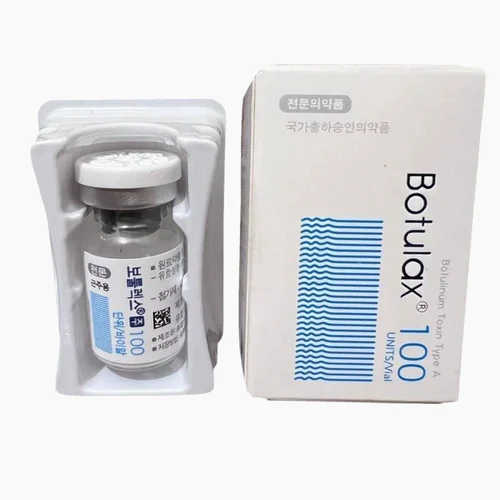
Botulinum Toxin is a neurotoxic protein produced by Clostridium botulinum. It is widely studied in neuroscience, pharmacology, and medical research for its effects on neuromuscular transmission. Understanding its mechanism is critical for safe laboratory applications and scientific education.
This educational guide explores its molecular activity, research uses, and safety considerations.
Molecular Mechanism
Botulinum toxin acts by inhibiting the release of acetylcholine at neuromuscular junctions. This prevents muscle contraction and has been extensively studied for:
-
Neuroscience research on synaptic transmission
-
Mechanistic studies in cell signaling
-
Preclinical models of neuromuscular diseases
Authoritative sources for reference:
-
National Center for Biotechnology Information (NCBI): https://www.ncbi.nlm.nih.gov
-
PubChem Database: https://pubchem.ncbi.nlm.nih.gov
Research Applications of Botulinum Toxin
Laboratory and academic studies focus on:
-
Synaptic transmission and neurotoxicity pathways
-
Neurodegenerative disease modeling
-
Enzyme-substrate interactions in nerve cells
-
Molecular studies in controlled research environments
- U.S. CDC Guidelines: https://www.cdc.gov
Frequently Asked Questions (Educational)
Q1: What is Botulinum Toxin used for in research?
A: It is primarily used to study neuromuscular transmission, synaptic activity, and molecular pathways in controlled lab settings.
Q2: Is Botulinum Toxin legal for purchase?
A: Only licensed institutions and laboratories may handle Botulinum Toxin under strict regulations.
Q3: What safety precautions are needed?
A: Handling requires biosafety-level facilities (BSL-2 or higher), proper training, and compliance with federal guidelines.
Q4: Can this information be used for educational purposes?
A: Yes. This page is intended solely for research and educational learning.
Understanding Botulinum Toxin Safely
Understanding Botulinum Toxin is essential for neuroscience, pharmacology, and molecular research. Proper education ensures safe handling, compliance with regulations, and scientific advancement.
For educational and research insights, continue exploring research-grade peptides and laboratory safety protocols through your institution or licensed suppliers.
Be the first to review “Botulinum Toxin”
Related products
Research Peptides



Research Peptides for sale
Research Peptides

Research Peptides

Reviews
There are no reviews yet.