BPC-157 for Sale – The Most Studied Regenerative Peptide, 99% Purity
The peptide that changed regenerative research.
BPC-157 isn’t just another research peptide. It’s a synthetic pentadecapeptide derived from a protective protein found in human gastric juice, first described in the scientific literature in 1993 . For over three decades, it has been the subject of intense preclinical investigation—and for good reason. Buy BPC-157 for Sale
What makes BPC-157 unique is its remarkable chemical stability. It maintains biological activity even under harsh conditions, resisting enzymatic degradation during digestive processes . This stability, combined with its broad tissue-protective effects, has made it one of the most sought-after compounds in regenerative medicine research.
When you’re searching for BPC-157 for sale, you’re looking for a peptide with documented effects across multiple tissue types: musculoskeletal injuries, gastrointestinal health, wound healing, and even emerging applications in neuroprotection. Buy BPC-157 for Sale
At Pinecrest, our BPC-157:
-
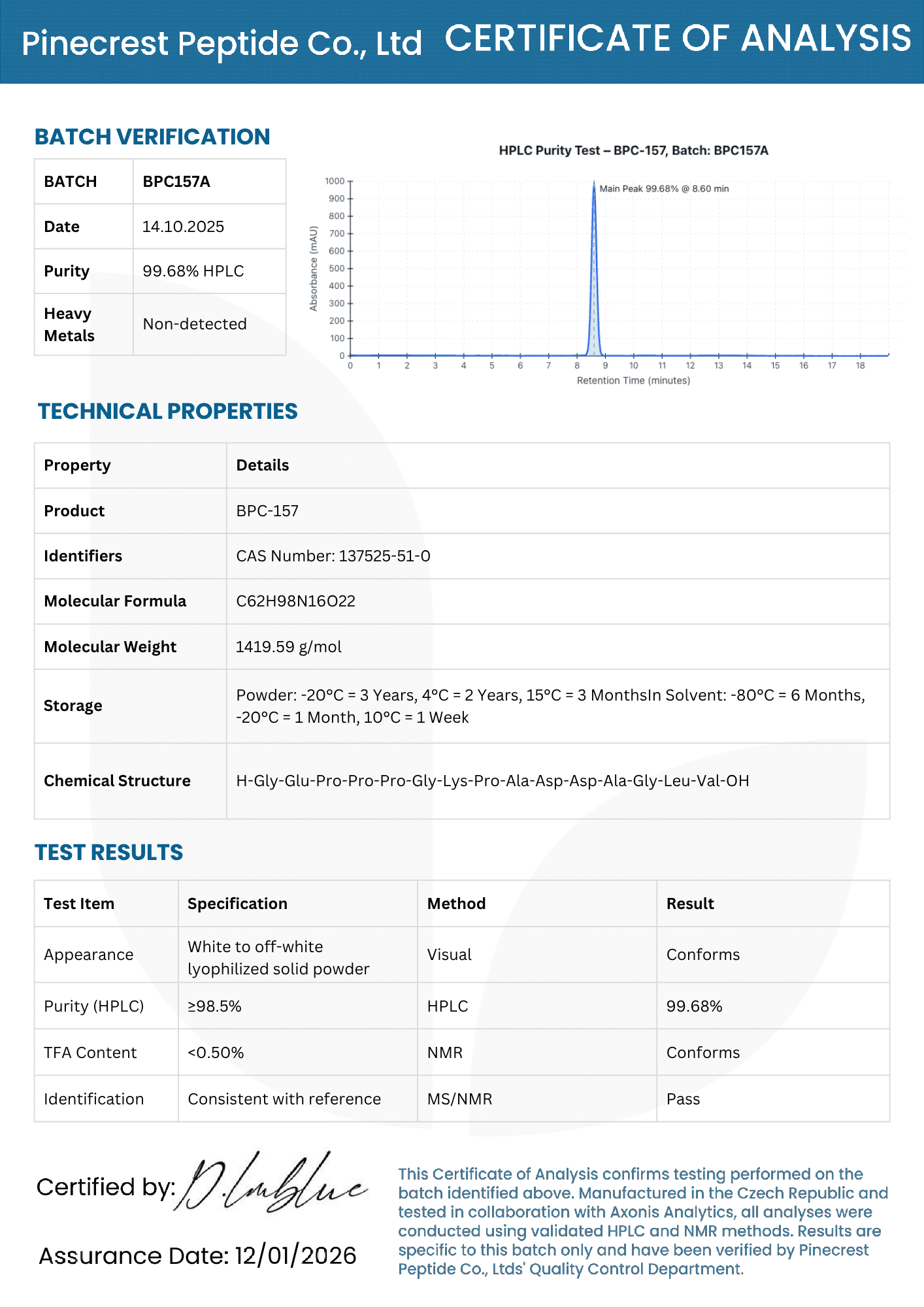
Tests at 99%+ purity (HPLC verified)
-
Available in standard research quantities
-
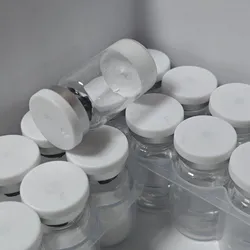
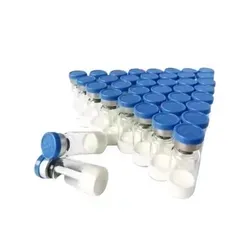
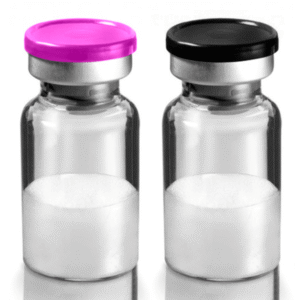
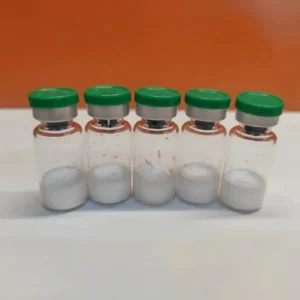
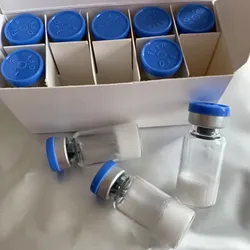
Delivered as lyophilized (freeze-dried) powder
-
Includes batch-specific Certificate of Analysis
-
Ships from our China facility to your USA door in 5–7 days
-
Backed by our 100% purity guarantee
WHAT IS BPC-157? – Buy BPC-157 for Sale
BPC-157 (short for Body Protection Compound-157) is a synthetic pentadecapeptide consisting of 15 amino acids with the sequence Gly-Glu-Pro-Pro-Pro-Gly-Lys-Pro-Ala-Asp-Asp-Ala-Gly-Leu-Val . It is also known by other names including Bepecin, PL 14736, and PL10. Buy BPC-157 for Sale
Molecular Characteristics
-
Amino Acid Sequence: H-Gly-Glu-Pro-Pro-Pro-Gly-Lys-Pro-Ala-Asp-Asp-Ala-Gly-Leu-Val-OH
-
Length: 15 amino acids
-
Molecular Formula: C₆₂H₉₈N₁₆O₂₂
-
Molecular Weight: ~1419.55 Daltons
-
CAS Number: 137525-51-0
-
Form: Lyophilized (freeze-dried) powder
-
Appearance: Sterile filtered white lyophilized powder
Chemical Stability
BPC-157 demonstrates remarkable chemical stability, maintaining its biological activity even under harsh conditions such as during enzymatic reactions or digestive processes . This stability contributes to its potential therapeutic versatility across different administration routes and makes it particularly suitable for research applications. Buy BPC-157 for Sale
MECHANISM OF ACTION: HOW BPC-157 WORKS
Recent research has dramatically advanced our understanding of how BPC-157 works at the molecular level. A landmark 2026 study published in Cell Communication and Signaling revealed a novel mechanism: BPC-157 drives angiogenesis through FBXO22-dependent stabilization of BACH1. Buy BPC-157 for Sale
The BPC-157-FBXO22-BACH1 Axis
Researchers discovered that intracellular BPC-157 engages the E3 ubiquitin ligase adaptor protein FBXO22 through its proline residue at position 3 . This interaction results in:
-
Formation of a protein complex that suppresses ubiquitination of the transcription factor BACH1
-
Significant stabilization of BACH1 protein levels
-
Enhanced proliferation and tube-forming capacity of vascular endothelial cells
This mechanism provides the first solid molecular foundation for BPC-157’s long-observed proangiogenic effects.
Multiple Signaling Pathways
BPC-157 activates both VEGF-dependent and VEGF-independent pathways to nitric oxide (NO) production :
VEGF-dependent pathway: VEGFR2–PI3K–Akt–eNOS activation
VEGF-independent pathway: Src–caveolin-1–eNOS activation
These pathways support angiogenesis, vasodilation, and vascular stability .
Cytoprotective Mechanisms
BPC-157 upregulates cytoprotective factors including:
-
Heme oxygenase-1 (HO-1)
-
Heat shock proteins
These factors preserve mitochondrial integrity and reduce oxidative stress .
Neuromodulatory Effects
In neuronal tissues, BPC-157 restores glutamatergic signaling after NMDA receptor overactivation and modulates adrenergic balance by counteracting beta-adrenergic overstimulation .
In endothelial cells, BPC-157 activates ERK1/2 signaling, enhancing proliferation, migration, and vascular tube formation through transcription factors like c-Fos, c-Jun, and Egr-1 . This ERK1/2 activation is required for its pro-healing effects both in vitro and in vivo. Buy BPC-157 for Sale
CLINICAL EVIDENCE: WHAT THE RESEARCH SHOWS
Musculoskeletal Applications
A systematic review published in 2025 examined the emerging use of BPC-157 in orthopaedic sports medicine, analyzing 36 studies from 1993 to 2024 . Key findings:
Preclinical evidence:
-
BPC-157 enhances growth hormone receptor expression
-
Activates pathways involved in cell growth and angiogenesis
-
Reduces inflammatory cytokines
-
Improves functional, structural, and biomechanical outcomes in muscle, tendon, ligament, and bony injury models
Human evidence:
A retrospective study of musculoskeletal pain following intra-articular injection of BPC-157 for unspecified chronic knee pain found that 7 of 12 patients reported relief for >6 months .
Tendon and Ligament Healing
BPC-157 has demonstrated particular promise in musculoskeletal soft tissue healing. Research indicates it promotes healing through:
-
Enhanced angiogenesis at injury sites
-
Stimulation of growth factor expression
-
Modulation of the inflammatory response
Gastrointestinal Protection
As its name implies, BPC-157 was originally identified for its gastroprotective effects. It has been investigated in clinical trials for inflammatory bowel disease (as PL 14736) and has shown safety in human trials . It promotes healing of:
-
Intestinal anastomoses
-
Gastrocutaneous, duodenocutaneous, and colocutaneous fistulas
-
Alcohol-induced and NSAID-induced lesions
Angiogenesis and Wound Healing
A comprehensive 2025 review highlighted BPC-157’s angiogenic potential . It acts protectively on endothelium, prevents and reverses thrombus formation, and promotes healing across multiple tissue types .
Neuroprotective Effects
Emerging research published in early 2026 suggests BPC-157 modulates the gut–brain axis, affecting neural and gastrointestinal functions . Evidence indicates it may:
-
Promote neuroprotection
-
Regulate inflammation
-
Influence mood and cognition
-
Enhance neuronal survival
-
Promote angiogenesis and synaptic plasticity
-
Modulate key neurotransmitter systems (dopaminergic, serotonergic, GABAergic)
In animal models, BPC-157 improves motor coordination, cognitive performance, and recovery after neural injury .
CURRENT REGULATORY STATUS – Buy BPC-157 for Sale
It is critical for researchers to understand the current regulatory landscape surrounding BPC-157:
FDA Status: BPC-157 is not approved by the U.S. Food and Drug Administration for any therapeutic use .
Sports Bans: It is banned in professional sports by the World Anti-Doping Agency (WADA) .
Clinical Evidence Level: Despite its popularity, significant research regarding safety and efficacy is required before definitive recommendations can be made . A 2026 review emphasized that “while peptide therapy may possess significant therapeutic and regenerative potential, it is critical that orthopaedic and sports medicine providers understand the current lack of evidence to support the clinical use of these peptides” .
Information Gaps: Importantly, information regarding indications, dosing, frequency, and duration of treatment remains unknown. Buy BPC-157 for Sale
PRODUCT SPECIFICATIONS
| Parameter | Pinecrest Standard | Industry Standard |
|---|---|---|
| Purity (HPLC) | ≥99.0% | ≥97.0% |
| Appearance | White lyophilized powder | White lyophilized powder |
| Molecular Weight | Confirmed by MS | ~1419.55 Da |
| Peptide Content | ≥90.0% | ≥80.0% |
| Water Content (KF) | ≤5.0% | ≤8.0% |
| Single Impurity | ≤0.5% | ≤1.0% |
| Total Impurities | ≤1.0% | ≤3.0% |
| Bacterial Endotoxins | ≤10 EU/mg | ≤10 EU/mg |
| Formulation | Lyophilized with no additives | Lyophilized with no additives |
| Storage | -20°C (lyophilized) | -20°C |
| Shelf Life | 24 months | 24 months |
Our advantage: We exceed industry standards on purity, ensuring your BPC-157 research yields consistent, reliable results.
ANALYTICAL TESTING: PROVEN BY DATA – Buy BPC-157 for Sale
Every batch of our BPC-157 undergoes rigorous quality control testing:
1. Reverse-Phase High-Performance Liquid Chromatography (RP-HPLC)
-
Quantifies purity with precision
-
Visual chromatogram provided
-
Identifies and quantifies individual impurities
-
Our standard: ≥99.0% (industry: ≥97.0%)
2. Mass Spectrometry (MS)
-
Confirms exact molecular weight (~1419.55 Da)
-
Verifies sequence integrity
-
Ensures correct structural identity
3. Amino Acid Analysis
-
Confirms correct amino acid composition
-
Validates sequence fidelity
-
Ensures batch-to-batch consistency
4. Endotoxin Testing
-
Ensures ≤10 EU/mg
-
Safe for research applications
-
Verified by validated methods
STABILITY AND HANDLING – Buy BPC-157 for Sale
Storage Requirements
| Form | Storage Condition | Stability |
|---|---|---|
| Lyophilized powder | -20°C (frozen) | 24 months |
| Lyophilized powder | Room temperature | 3 weeks |
| Reconstituted solution | 4°C (refrigerated) | 2–7 days |
| Reconstituted solution | -18°C (frozen) | For future use |
Critical handling notes:
-
Store lyophilized powder desiccated
-
Prevent freeze-thaw cycles after reconstitution
-
For long-term storage of reconstituted peptide, add a carrier protein (0.1% HSA or BSA)
Reconstitution Guidelines
For research purposes, it is recommended to reconstitute the lyophilized BPC-157 in sterile 18MΩ-cm H₂O at not less than 100 µg/ml, which can then be further diluted into other aqueous solutions. Buy BPC-157 for Sale
TYPICAL RESEARCH APPLICATIONS
Note: The following are based on published research protocols and are provided for informational purposes only. All products are for research use only—not for human consumption.
Musculoskeletal Research
-
Tendon healing: Studies show improved functional and structural outcomes
-
Ligament repair: Enhanced healing in preclinical models
-
Muscle injury: Accelerated recovery and reduced inflammation
-
Bone healing: Promising results in fracture models
Gastrointestinal Research
-
Inflammatory bowel disease: Investigated in clinical trials (PL 14736)
-
Ulcer healing: Alcohol-induced and NSAID-induced lesions
-
Fistula closure: Effective even when therapy was postponed
-
Short bowel syndrome: Maintained weight gain in animal models
Wound Healing Research
-
Angiogenesis promotion: Through BPC-157-FBXO22-BACH1 axis
-
Endothelial protection: Prevents and reverses thrombus formation
-
Soft tissue repair: Across multiple tissue types
Neurological Research
-
Gut-brain axis modulation: Affects neural and gastrointestinal functions
-
Neuroprotection: Enhances neuronal survival
-
Cognitive function: Improves motor coordination in animal models
-
Neurotransmitter modulation: Affects dopaminergic, serotonergic, GABAergic pathways
Formulation and Dosage Considerations
Researchers should consider:
-
Route of administration: Oral, intraperitoneal, or local injection depending on model
-
Dosing frequency: Variable based on study design
-
Duration: Acute vs. chronic administration protocols
SAFETY PROFILE
Preclinical Safety
Preclinical safety studies have shown no adverse effects across several organ systems . BPC-157 has no reported toxicity in studies to date .
Metabolism and Clearance
-
Metabolism: Primarily in the liver
-
Half-life: Less than 30 minutes
-
Clearance: Renal (kidneys)
Human Safety
Preliminary human studies suggest a favorable safety profile, though clinical efficacy data remain limited . No clinical safety data from large-scale trials are currently available .
Important Considerations for Researchers
Potential risks include:
-
Unregulated manufacturing variability between sources
-
Potential for contamination
-
Unknown clinical safety profile in humans
-
Lack of standardized dosing information
Research Use Only
Our BPC-157 is sold for laboratory research purposes only. It is:
-
Not for human consumption
-
Not for diagnostic or therapeutic use
-
Not FDA-approved for any indication
-
Intended for in vitro studies and analytical applications
-
Banned in professional sports
BPC-157 VS. OTHER RECOVERY PEPTIDES
| Feature | BPC-157 | TB-500 | GHK-Cu |
|---|---|---|---|
| Primary mechanism | Angiogenesis via BACH1 stabilization | Actin polymerization | Copper peptide signaling |
| Key applications | GI tract, muscle, tendon, ligament | Muscle, tendon, ligament | Skin, wound healing |
| Molecular weight | ~1419 Da | ~4963 Da | ~401 Da |
| Stability | High in gastric juice | Moderate | Moderate |
| Clinical trials | IBD trials (PL 14736) | Phase 1 completed | Multiple topical studies |
BPC-157 FAQs
Q: What does BPC-157 stand for?
A: BPC stands for “Body Protection Compound.” The number 157 refers to the specific peptide fragment isolated from human gastric juice protein .
Q: Is BPC-157 natural or synthetic?
A: BPC-157 is a synthetic peptide derived from a portion of the human gastric juice protein known as BPC. It does not occur naturally in this specific form .
Q: What purity should I expect for research-grade BPC-157?
A: Research-grade BPC-157 should be ≥97.0% purity by RP-HPLC analysis . Pinecrest’s BPC-157 is ≥99% with full documentation, exceeding industry standards.
Q: What’s the amino acid sequence of BPC-157?
A: The sequence is H-Gly-Glu-Pro-Pro-Pro-Gly-Lys-Pro-Ala-Asp-Asp-Ala-Gly-Leu-Val-OH .
Q: How stable is BPC-157?
A: BPC-157 demonstrates remarkable chemical stability, maintaining biological activity even under harsh conditions such as during enzymatic reactions or digestive processes . Lyophilized powder is stable for 3 weeks at room temperature, but should be stored at -20°C for long-term stability .
Q: Is BPC-157 FDA-approved?
A: No. BPC-157 is not FDA-approved for any therapeutic use . It remains an investigational compound for research purposes only.
Q: What does the research say about BPC-157 for musculoskeletal injuries?
A: A 2025 systematic review of 36 studies found that BPC-157 improves functional, structural, and biomechanical outcomes in muscle, tendon, ligament, and bony injury models . However, most evidence is from preclinical studies, with limited human data.
Q: How does BPC-157 promote angiogenesis?
A: A 2026 study revealed that BPC-157 engages the E3 ubiquitin ligase adaptor protein FBXO22, suppressing ubiquitination of the transcription factor BACH1 and leading to its stabilization. This enhances proliferation and tube-forming capacity of vascular endothelial cells .
WHAT RESEARCHERS SAY
Dr. Alan Richards – Richards Research Institute, Boston
*”Our lab studies tissue regeneration across multiple injury models. BPC-157’s effects on angiogenesis and inflammation make it a unique tool for understanding healing mechanisms. Pinecrest’s product has been consistently pure across multiple orders, with documentation that matches our internal testing.”*
Kevin O’Brien – O’Brien Distributing, Chicago
*”BPC-157 is one of our most requested peptides. Researchers appreciate its well-characterized mechanisms and the growing body of preclinical evidence. Pinecrest’s quality and consistency mean I can stock it with confidence.”*
Dr. Patricia Okonkwo – Okonkwo Bioresearch, Houston
*”With 15 years in regenerative medicine research, I’ve evaluated BPC-157 from multiple suppliers. Pinecrest stands out because they understand what researchers actually need: traceability, consistent specifications, and real documentation.”*
NEED HELP CHOOSING?
Questions about BPC-157 for your research? Email us.
sales@pinecrestpeptides.com
Response time: Within 4 hours
| BPC 157 | 5mg*10vials, 10mg*10vials |
|---|
Be the first to review “BPC-157 Peptide”
Related products
Research Peptides for sale
Research Peptides
Research Peptides
Research Peptides
Research Peptides
Research Peptides
Reviews
There are no reviews yet.