Buy NAD+ Online – NAD+ Peptide for Research Supply – The Essential Cellular Energy Coenzyme, 99% Purity
The master regulator of cellular energy and aging.
NAD+ (nicotinamide adenine dinucleotide) isn’t just another research compound—it’s one of the most fundamental molecules in biology. As a coenzyme found in every living cell, NAD+ participates in hundreds of metabolic reactions, serving as a critical electron carrier in oxidation-reduction reactions and a substrate for enzymes that regulate DNA repair, gene expression, and cellular stress responses .
What makes NAD+ unique is its dual role in the cell. Beyond its classical function as a redox cofactor in energy metabolism, recent research has expanded our understanding of NAD+ to include its involvement in signaling pathways, epigenetic regulation, and the maintenance of cellular homeostasis . This molecule sits at the intersection of metabolism, aging, and disease. Buy NAD+ Online
Published research has documented that NAD+ levels decline with age, with researchers noting this decline correlates with changes in mitochondrial function and metabolic regulation . A 2020 paper in Nature Reviews Molecular Cell Biology established this connection, sparking intense investigation into NAD+ biology and its therapeutic potential .
When you choose to buy NAD+ online from Pinecrest, you’re acquiring research-grade material with documented purity and comprehensive analytical testing. Whether your research focuses on mitochondrial function, aging pathways, sirtuin activation, or cellular metabolism, our NAD+ provides the quality foundation your work requires. Buy NAD+ Online
At Pinecrest, our NAD+:
-
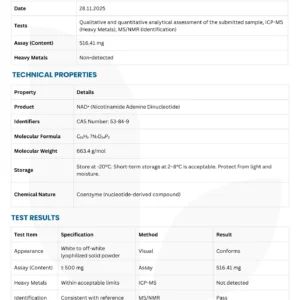
Tests at ≥99% purity (HPLC verified)
-
CAS Number: 53-84-9
-
Molecular Formula: C₂₁H₂₇N₇O₁₄P₂
-
Molecular Weight: ~663.43 g/mol
-
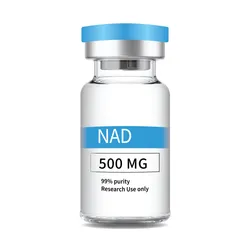
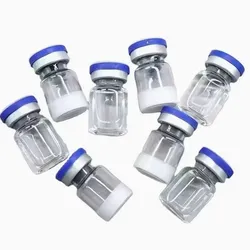
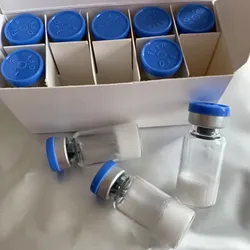
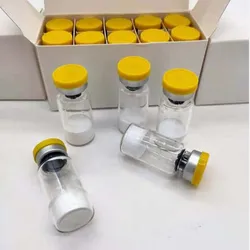
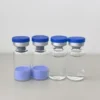
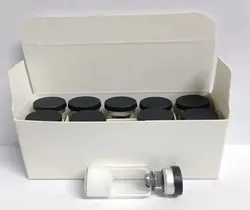
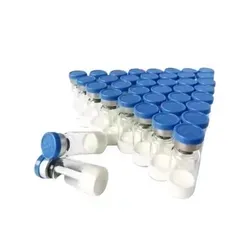
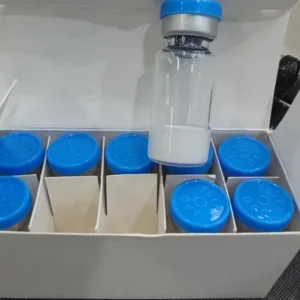
Delivered as white to off-white lyophilized powder
-
Highly hygroscopic—stored desiccated with care
-
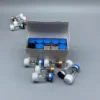
Available in multiple research quantities
-
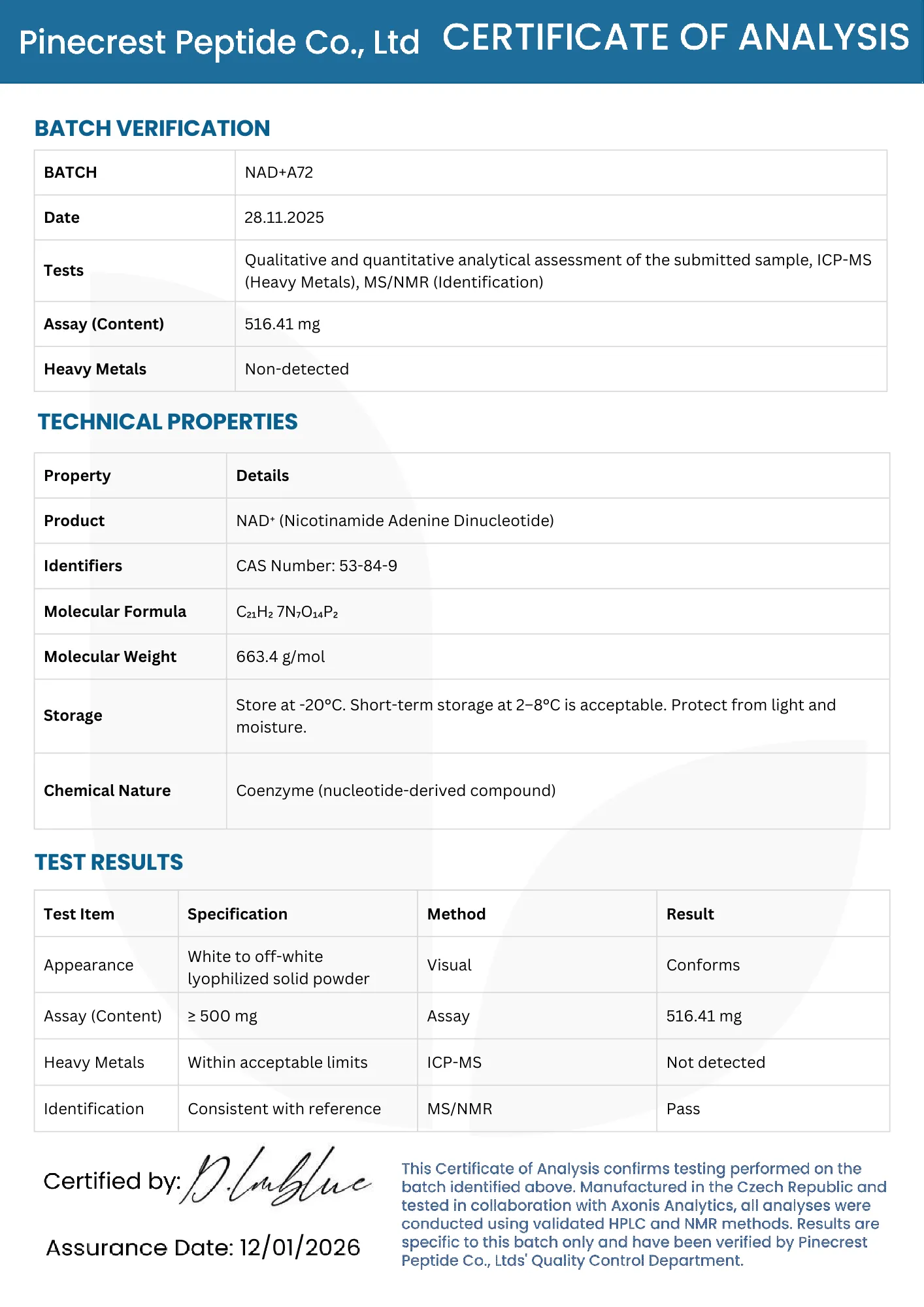
Includes batch-specific Certificate of Analysis
-
Ships from our China facility to your USA door in 5–7 days
-
Backed by our 100% purity guarantee
WHAT IS NAD+?
NAD+ (nicotinamide adenine dinucleotide, oxidized form) is a dinucleotide composed of two nucleotides—adenine and nicotinamide—joined through their phosphate groups . It exists in two forms: the oxidized form (NAD⁺) and the reduced form (NADH), which together form a redox couple essential for cellular energy metabolism.
Molecular Identity
| Property | Specification |
|---|---|
| CAS Number | 53-84-9 |
| Molecular Formula | C₂₁H₂₇N₇O₁₄P₂ |
| Molecular Weight | ~663.43 g/mol |
| Synonyms | Nadide, Diphosphopyridine nucleotide, DPN+, NAD-oxidized |
| IUPAC Name | [[(2R,3S,4R,5R)-5-(6-aminopurin-9-yl)-3,4-dihydroxyoxolan-2-yl]methoxy-oxidophosphoryl] [(2R,3S,4R,5R)-5-(3-carbamoylpyridin-1-ium-1-yl)-3,4-dihydroxyoxolan-2-yl]methyl phosphate |
| Appearance | White to off-white lyophilized powder |
| Purity | ≥99% (HPLC verified) |
| Solubility | Soluble in water at 50 mg/mL |
| Storage | -20°C, desiccated, protected from light |
Chemical Structure
NAD+ features a nicotinamide ring that accepts a hydride ion during reduction to NADH. This redox cycling between NAD+ and NADH is central to its function in energy metabolism. The molecule’s structure also includes an adenine base and two ribose sugars linked by phosphate groups, creating the characteristic dinucleotide architecture. Buy NAD+ Online
MECHANISM OF ACTION: HOW NAD+ WORKS
Redox Cofactor in Energy Metabolism
NAD+’s most established role is as an electron carrier in oxidation-reduction reactions. It accepts electrons (is reduced) to form NADH during catabolic processes like glycolysis and the citric acid cycle. NADH then donates these electrons to the electron transport chain, driving ATP synthesis through oxidative phosphorylation .
This redox cycling is essential for:
-
Glycolysis: NAD+ accepts electrons during glyceraldehyde-3-phosphate dehydrogenase reaction
-
Citric Acid Cycle: Multiple dehydrogenase enzymes require NAD+ as cofactor
-
Fatty Acid Oxidation: NAD+ participates in beta-oxidation of fatty acids
-
Ethanol Metabolism: Alcohol dehydrogenase and aldehyde dehydrogenase require NAD+
Substrate for Key Enzymes
Beyond its redox functions, NAD+ serves as a substrate for several enzyme families that regulate critical cellular processes:
Sirtuins (SIRT1-7): These NAD+-dependent deacetylases remove acetyl groups from proteins, regulating gene expression, metabolism, and aging. Sirtuin activity directly depends on cellular NAD+ levels .
PARPs (Poly-ADP-ribose polymerases): These enzymes use NAD+ to synthesize ADP-ribose polymers on target proteins, playing crucial roles in DNA repair and genome stability. DNA damage rapidly activates PARPs, consuming significant NAD+ in the process .
CD38/157 Ectoenzymes: These cell surface enzymes hydrolyze NAD+ to generate calcium-mobilizing second messengers, linking NAD+ metabolism to calcium signaling and immune function.
NAD+ Decline and Aging
Published research has documented that NAD+ levels decline with age, with researchers noting this decline correlates with changes in mitochondrial function and metabolic regulation . A 2020 paper in Nature Reviews Molecular Cell Biology established this connection, documenting that NAD+ levels decrease in multiple tissues during aging. Buy NAD+ Online
This decline is associated with:
-
Mitochondrial dysfunction: Reduced oxidative capacity and ATP production
-
Impaired DNA repair: Decreased PARP activity and genome instability
-
Altered gene expression: Changes in sirtuin-mediated regulation
-
Metabolic dysregulation: Impaired glucose and lipid metabolism
RECENT RESEARCH HIGHLIGHTS (2025-2026)
Comparative NAD+ Booster Study (January 2026)
A landmark randomized controlled trial published in Nature Metabolism compared three different NAD+ boosters—nicotinamide (Nam), nicotinamide riboside (NR), and nicotinamide mononucleotide (NMN)—in 65 healthy participants .
Key findings:
-
14 days of supplementation with NR and NMN, but not Nam, comparably increased circulatory NAD+ concentrations in healthy adults
-
Unlike the chronic effect, only Nam acutely and transiently affected the whole-blood NAD+ metabolome
-
NR and NMN give rise to nicotinic acid (NA) through gut microbiota metabolism and specifically enhance microbial growth
-
Ex vivo whole blood studies confirmed that NA is a potent NAD+ booster, while NMN, NR, and Nam are not
The researchers proposed a gut-dependent model where NR and NMN elevate circulatory NAD+ via the Preiss-Handler pathway, while rapidly absorbed Nam acutely affects NAD+ levels via the salvage pathway . This study provides crucial insights into the distinct mechanisms of different NAD+ precursors. Buy NAD+ Online
Clinical Translation Review (September 2025)
A comprehensive review in Nature Aging summarized emerging strategies, applications, and challenges of targeting NAD+ in the clinic . The authors discussed:
-
Safety, bioavailability, and efficacy data from NAD+-related clinical trials, focusing on aging and neurodegenerative diseases
-
Established NAD+ precursors (nicotinic acid, nicotinamide) and newer compounds (NR, NMN)
-
Technological advances including industrial-scale production and real-time detection
-
The need for further large-scale studies to determine optimal dose, administration routes, frequency, long-term safety, and interindividual variability
Ulcerative Colitis Research (Ongoing)
An active clinical trial at the University of Pittsburgh (NCT05561738) is investigating nicotinamide riboside (NR) in pediatric-onset ulcerative colitis . The study hypothesizes that NR will alleviate mitochondrial dysfunction and restore metabolic homeostasis in the intestinal epithelium. Key outcome measures include changes in mitochondrial structure and function, the PGC1α-Sirt1 axis, and cellular metabolism over 6-12 months of daily oral therapy. Buy NAD+ Online
NAD+ Detection and Analysis (2024-2025)
Recent methodological advances have improved NAD+ detection and quantification. Research published in PLOS ONE (2024) detailed standards for NAD+ measurement via targeted mass spectrometry, enabling precise retention time identification and quantification . A Chinese testing laboratory reported HPLC methods for NAD+ content determination with concentration ranges of 0.1-100 μg/mL and purity assessment via UV spectral analysis (260/340 nm absorption ratio ≥2.0) .
PRODUCT SPECIFICATIONS
| Parameter | Pinecrest Standard | Industry Standard |
|---|---|---|
| Purity (HPLC) | ≥99.0% | ≥97-98% |
| Appearance | White to off-white powder | White powder |
| Molecular Weight | Confirmed by MS | ~663.43 g/mol |
| CAS Number | 53-84-9 | 53-84-9 |
| Solubility | Soluble in water (≥50 mg/mL) | Soluble in water at 50 mg/mL |
| Water Content (KF) | ≤5.0% | ≤8.0% |
| Bacterial Endotoxins | ≤0.05 EU/mg | Variable |
| Storage | -20°C, desiccated | -20°C, desiccated |
| Shelf Life | 24 months (lyophilized) | 36 months reported |
Critical handling note: NAD+ is highly hygroscopic and must be stored desiccated. Keep container tightly closed in a dry and well-ventilated place. Recommended storage temperature -20°C .
Our advantage: We exceed industry standards on purity and provide comprehensive third-party analytical data with every batch.
ANALYTICAL TESTING: PROVEN BY DATA
Every batch of our NAD+ undergoes rigorous quality control testing based on established analytical methods:
1. High-Performance Liquid Chromatography (HPLC)
-
Quantifies purity with precision (concentration range 0.1-100 μg/mL)
-
Visual chromatogram provided
-
Identifies and quantifies individual impurities
-
Our standard: ≥99.0%
2. Mass Spectrometry (MS)
-
Confirms exact molecular weight (~663.43 g/mol)
-
LC-MS/MS methods confirm molecular identity with 0.5 Da accuracy
-
Verifies structural integrity
3. UV Spectral Analysis
-
Assesses 260/340 nm absorption ratio (target ≥2.0)
-
Confirms correct oxidation state
-
Validates purity profile
4. Stability Testing
-
Accelerated experiments (40°C/75% RH) monitor degradation
-
Ensures product integrity during storage
-
72-hour degradation rate ≤5% specification
5. Endotoxin Testing
-
Ensures ≤0.05 EU/mg
-
Safe for research applications
-
Verified by validated methods
6. Microbial Analysis
-
Aerobic bacterial count ≤100 CFU/g
-
Ensures absence of contamination
-
Compliant with GB4789.2-2022 standards
STABILITY AND HANDLING
Storage Requirements
| Form | Storage Condition | Stability |
|---|---|---|
| Lyophilized powder (unopened) | -20°C, desiccated | 24 months (36 months reported) |
| Lyophilized powder (unopened) | 2–8°C (short-term) | 3–4 weeks |
| In solution | -20°C | Use within 1 month |
Critical handling notes:
-
Highly hygroscopic: Must be stored desiccated
-
Keep container tightly closed in a dry and well-ventilated place
-
Protect from light
-
Allow vial to reach room temperature before opening to minimize condensation
-
In lyophilized form, the chemical is stable for extended periods when stored properly
-
In solution, aliquot to avoid multiple freeze-thaw cycles and use within 1 month
Reconstitution Guidelines
For research purposes, NAD+ is soluble in water at 50 mg/mL . It is insoluble in DMSO and ethanol .
Recommended protocol:
-
Centrifuge vial briefly to ensure powder is at bottom
-
Reconstitute with sterile water or appropriate buffer
-
Gently swirl until dissolved—do not vortex
-
Prepare sterile aliquots to avoid repeated freeze-thaw cycles
-
For extended studies, store aliquots at -20°C and use within 1 month
Stock Solution Preparation Calculator
For a target concentration of 1 mM in 10 mL:
-
Mass needed = 1 mM × 10 mL × 663.43 g/mol = 6.63 mg
| Concentration | Volume | Mass of NAD+ (MW 663.43) |
|---|---|---|
| 1 mM | 10 mL | 6.63 mg |
| 5 mM | 10 mL | 33.17 mg |
| 10 mM | 10 mL | 66.34 mg |
| 50 mM | 10 mL | 331.72 mg |
NAD+ VS. NAD+ PRECURSORS
| Compound | CAS Number | Molecular Weight | Primary Pathway | Research Applications |
|---|---|---|---|---|
| NAD+ (Oxidized) | 53-84-9 | ~663.43 g/mol | Direct coenzyme | Energy metabolism, enzyme assays |
| Nicotinamide Riboside (NR) | 1341-23-7 | ~255.25 g/mol | Salvage pathway | NAD+ boosting studies |
| Nicotinamide Mononucleotide (NMN) | 1094-61-7 | ~334.22 g/mol | Salvage pathway | NAD+ boosting studies |
| Nicotinamide (Nam) | 98-92-0 | ~122.12 g/mol | Salvage pathway | NAD+ precursor research |
| Nicotinic Acid (NA) | 59-67-6 | ~123.11 g/mol | Preiss-Handler pathway | NAD+ biosynthesis |
A January 2026 study confirmed that NR and NMN, but not Nam, comparably increase circulatory NAD+ concentrations in healthy adults after 14 days of supplementation . The research identified that NR and NMN give rise to nicotinic acid (NA) through gut microbiota metabolism, with NA acting as a potent NAD+ booster via the Preiss-Handler pathway .
RESEARCH APPLICATIONS
Mitochondrial Function and Bioenergetics
-
Oxidative phosphorylation studies: Investigating electron transport chain function
-
Mitochondrial dysfunction models: Aging, neurodegeneration, metabolic disease
-
ATP production assays: Quantifying cellular energy status
-
Sarcopenia research: NAD+ deficiency linked to mitochondrial dysfunction in muscle wasting
Aging and Longevity Research
-
Sirtuin activation studies: NAD+-dependent deacetylase function
-
Cellular senescence models: Investigating age-related decline
-
Geroprotective interventions: NAD+ repletion strategies
-
Caloric restriction mimetics: NAD+ metabolism in longevity pathways
DNA Repair and Genome Stability
-
PARP enzyme assays: NAD+ consumption during DNA damage response
-
Genomic instability models: Investigating repair capacity
-
Radiation biology: NAD+ dynamics after DNA damage
-
Cancer research: PARP inhibitor studies
Neurodegenerative Disease Research
-
Alzheimer’s disease models: Mitochondrial dysfunction studies
-
Parkinson’s research: NAD+ metabolism in dopaminergic neurons
-
Huntington’s disease: Bioenergetic deficits
-
Axonal degeneration: Wallerian degeneration pathways
Metabolic Disease Research
-
Diabetes and obesity: NAD+ metabolism in metabolic syndrome
-
Fatty liver disease: Hepatic NAD+ dynamics
-
Insulin resistance: Mitochondrial function studies
-
Inflammatory bowel disease: Active clinical trial NCT05561738 investigating NR in ulcerative colitis
Cardiovascular Research
-
Cardiac ischemia-reperfusion: NAD+ depletion and recovery
-
Heart failure: Mitochondrial dysfunction studies
-
Vascular aging: Endothelial NAD+ metabolism
SAFETY AND REGULATORY STATUS
Current Regulatory Status
NAD+ is a research-grade biochemical intended for laboratory research use only. It is:
-
Not FDA-approved for any therapeutic indication
-
Not for human consumption
-
Not for diagnostic or therapeutic use
-
Not for veterinary use
-
For in vitro research and analytical applications only
Safety Profile from Research Studies
A 2025 review in Nature Aging summarized safety data from NAD+-related clinical trials, noting that NAD+ precursors have demonstrated favorable safety profiles in human studies, though the authors emphasized the need for further large-scale studies to determine long-term safety and interindividual variability in response. Buy NAD+ Online
Important Considerations for Researchers
-
Hygroscopic nature: NAD+ readily absorbs moisture; proper storage is essential
-
Stability in solution: Use within 1 month when stored at -20°C
-
Avoid freeze-thaw cycles: Aliquot reconstituted material
-
Quality matters: Purity and analytical verification are essential for reproducible research
Research Use Only
Our NAD+ is sold for laboratory research purposes only. It is:
-
Not for human consumption
-
Not for diagnostic or therapeutic use
-
Not FDA-approved for any indication
-
Intended for in vitro studies and analytical applications
-
For qualified researchers only
-
Requires age verification (21+) for purchase
ORDERING INFORMATION
| Size | Catalog | Lead Time |
|---|---|---|
| 500 mg | Inquire | In stock |
| 1 g | Inquire | In stock |
| 5 g | Inquire | In stock |
| 10 g | Inquire | In stock |
| 25 g | Inquire | 3-5 days |
| 100 g | Inquire | 5-7 days |
| Bulk (500g+) | Inquire | Negotiated |
Each order includes:
-
Batch-specific Certificate of Analysis
-
HPLC chromatogram (upon request)
-
Mass spectrometry confirmation (upon request)
-
Lot number for full traceability
-
Vacuum-sealed, desiccated packaging
-
Temperature-stable international shipping
Shipping to USA: 5–7 business days (typical)
NAD+ FREQUENTLY ASKED QUESTIONS
Q: What is the difference between NAD+ and NADH?
A: NAD+ is the oxidized form of nicotinamide adenine dinucleotide, while NADH is the reduced form. NAD+ accepts electrons to become NADH during catabolic reactions, and NADH donates electrons to the electron transport chain to generate ATP. The NAD+/NADH ratio reflects cellular redox state and metabolic activity.
Q: What is the CAS number for NAD+?
A: The CAS number is 53-84-9 .
Q: What is the molecular weight of NAD+?
A: The molecular weight is approximately 663.43 g/mol (C₂₁H₂₇N₇O₁₄P₂) .
Q: What purity should I expect for research-grade NAD+?
A: Research-grade NAD+ should be ≥97-98% purity by HPLC analysis . Pinecrest’s NAD+ is ≥99% with full documentation, including third-party testing.
Q: How should NAD+ be stored?
A: NAD+ is highly hygroscopic and must be stored desiccated at -20°C . Keep container tightly closed in a dry and well-ventilated place. In lyophilized form, the chemical is stable for 24-36 months when stored properly . In solution, store at -20°C and use within 1 month to prevent loss of potency; aliquot to avoid multiple freeze/thaw cycles .
Q: Is NAD+ soluble in water?
A: Yes, NAD+ is soluble in water at 50 mg/mL . It is insoluble in DMSO and ethanol .
Q: What are the main research applications for NAD+?
A: NAD+ is primarily used in research on mitochondrial function, aging pathways, sirtuin activation, DNA repair, neurodegeneration, metabolic disease, and enzyme kinetics .
Q: Is NAD+ FDA-approved?
A: No. NAD+ is a research biochemical for laboratory use only. It is not FDA-approved for any therapeutic indication.
Q: What is the difference between NAD+ and NMN or NR?
A: NMN (nicotinamide mononucleotide) and NR (nicotinamide riboside) are NAD+ precursors—molecules that the body can convert to NAD+. A January 2026 study confirmed that NR and NMN, but not nicotinamide (Nam), comparably increase circulatory NAD+ concentrations in healthy adults after 14 days of supplementation . NAD+ itself is the active coenzyme used directly in biochemical assays.
Q: What does the 2026 Nature Metabolism study reveal about NAD+ boosters?
A: The study showed that NR and NMN increase circulatory NAD+ through gut microbiota metabolism, giving rise to nicotinic acid (NA), which acts via the Preiss-Handler pathway. NA was identified as a potent NAD+ booster in ex vivo whole blood studies, while NMN, NR, and Nam were not . This reveals a gut-dependent mechanism for NR and NMN activity.
RECENT RESEARCH HIGHLIGHTS SUMMARY
| Date | Study | Key Finding | Source |
|---|---|---|---|
| Jan 2026 | Comparative NAD+ booster RCT | NR and NMN increase NAD+ via gut microbiota; NA is potent booster | |
| Sep 2025 | Clinical translation review | Summarized NAD+ clinical trial data; need for larger studies | |
| 2025-26 | Ulcerative colitis trial | Investigating NR in pediatric UC (NCT05561738) | |
| 2024 | NAD+ detection methods | HPLC and MS standards established for NAD+ quantification | |
| 2020 | NAD+ decline with age | Documented correlation with mitochondrial changes |
WHAT RESEARCHERS SAY
Dr. Alan Richards – Richards Research Institute, Boston
“Our lab studies mitochondrial function in aging models. NAD+ is fundamental to our work—every assay depends on high-quality, consistently pure material. Pinecrest’s NAD+ has delivered batch-to-batch consistency with excellent documentation across multiple orders.”
Kevin O’Brien – O’Brien Distributing, Chicago
*”Following the January 2026 Nature Metabolism study, interest in NAD+ and its precursors has surged. Researchers need material they can trust, with verified purity and proper handling documentation. Pinecrest delivers that.”*
Dr. Susan Walters – Walters Clinical Research, Cleveland
“The distinction between NAD+ and its precursors is critical for our work. Having access to well-documented, high-purity NAD+ with full analytical characterization—including HPLC and MS confirmation—is essential for reproducible results.”
READY TO BUY NAD+ ONLINE?
Questions about NAD+ for your research? Email us.
sales@pinecrestpeptides.com
Response time: Within 4 hours
BUY NAD+ ONLINE TODAY
The essential cellular energy coenzyme. ≥99% pure. CAS 53-84-9. Manufacturer-direct. Ready to ship to USA labs.
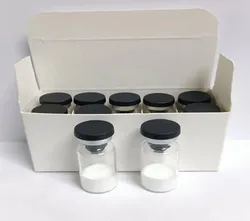
| NAD+ | 100mg*10vials, 500mg*10vials, 1000mg*10vials |
|---|
Be the first to review “NAD+”
Related products
Research Peptides
Research Peptides
Reviews
There are no reviews yet.