Order KPV For Sale In USA – The Bioactive α-MSH Tripeptide, 99% Purity
Nature’s inflammation-modulating tripeptide, now available for research.
KPV (Lysine-Proline-Valine) isn’t just another research peptide. It’s a naturally occurring tripeptide fragment derived from the alpha-melanocyte-stimulating hormone (α-MSH), a master regulator of inflammation and immune responses in the body . This short, three-amino-acid sequence—lysine (K), proline (P), and valine (V)—retains many of the anti-inflammatory and immunomodulatory properties of its parent hormone, but in a remarkably stable and bioavailable form. Order KPV For Sale In USA
What makes KPV unique is its dual mechanism of action. Unlike many peptides that rely on cell surface receptors alone, KPV can be transported directly into cells via the PepT1 transporter, allowing it to intervene in inflammatory signaling from the inside out . Once inside, it inhibits the activation of NF-κB and MAP kinase pathways—two of the most powerful drivers of inflammation in the body—at concentrations as low as nanomolar levels. Order KPV For Sale In USA
When you’re looking to order KPV for sale in USA, you’re seeking a peptide with documented effects across multiple research domains: gastrointestinal inflammation, dermatological conditions, wound healing, and even pulmonary research. Order KPV For Sale In USA
At Pinecrest, our KPV:
-
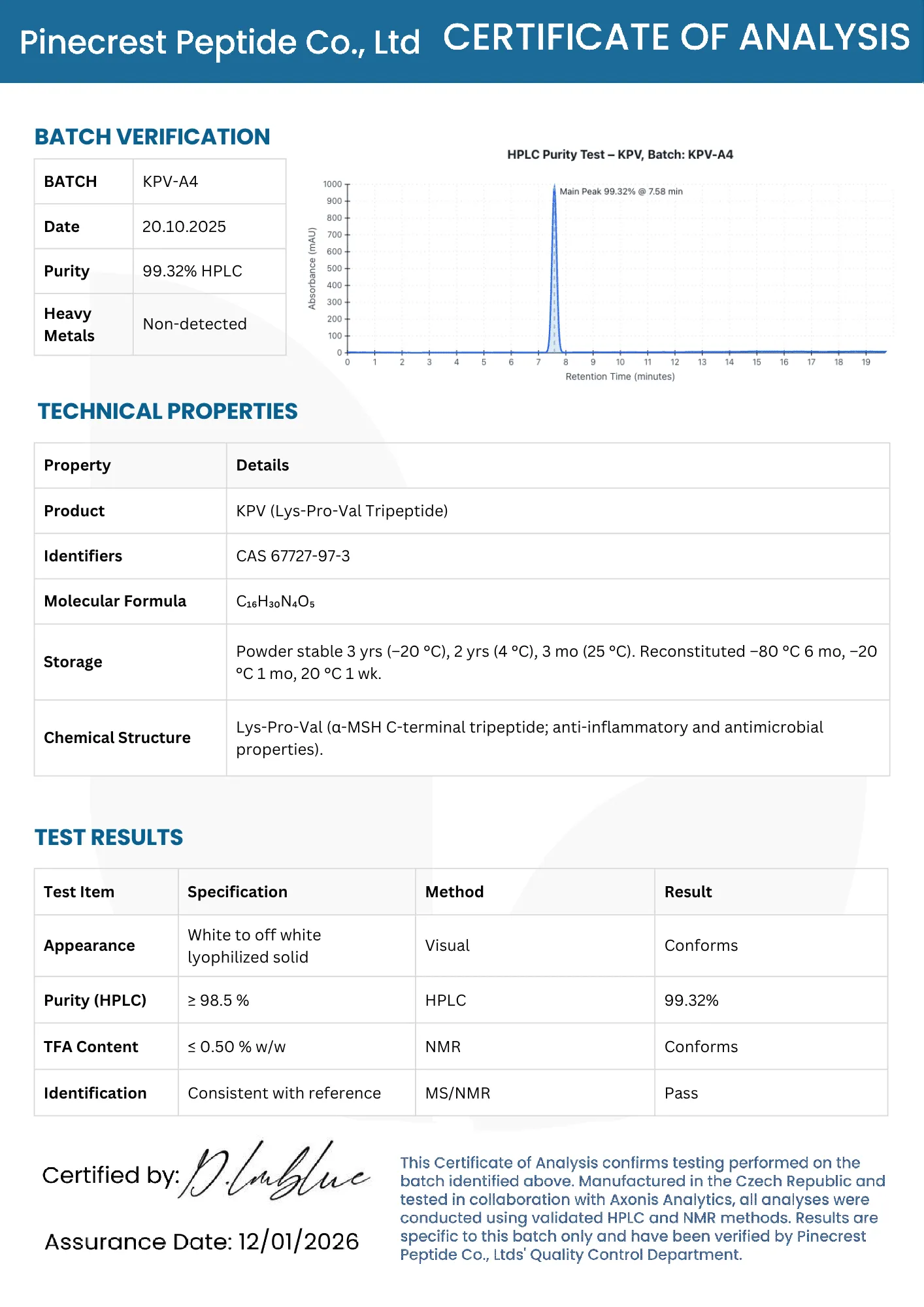
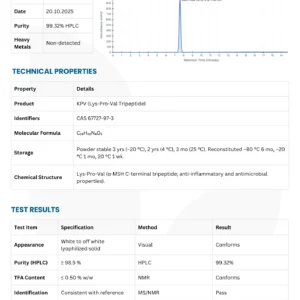
Tests at 99%+ purity (HPLC verified)
-
Available in standard research quantities
-
CAS Number: Multiple variations (53783-30-1, 1415456-99-3)
-
Molecular Formula: C₁₆H₃₀N₄O₄
-
Molecular Weight: ~342.43 g/mol
-
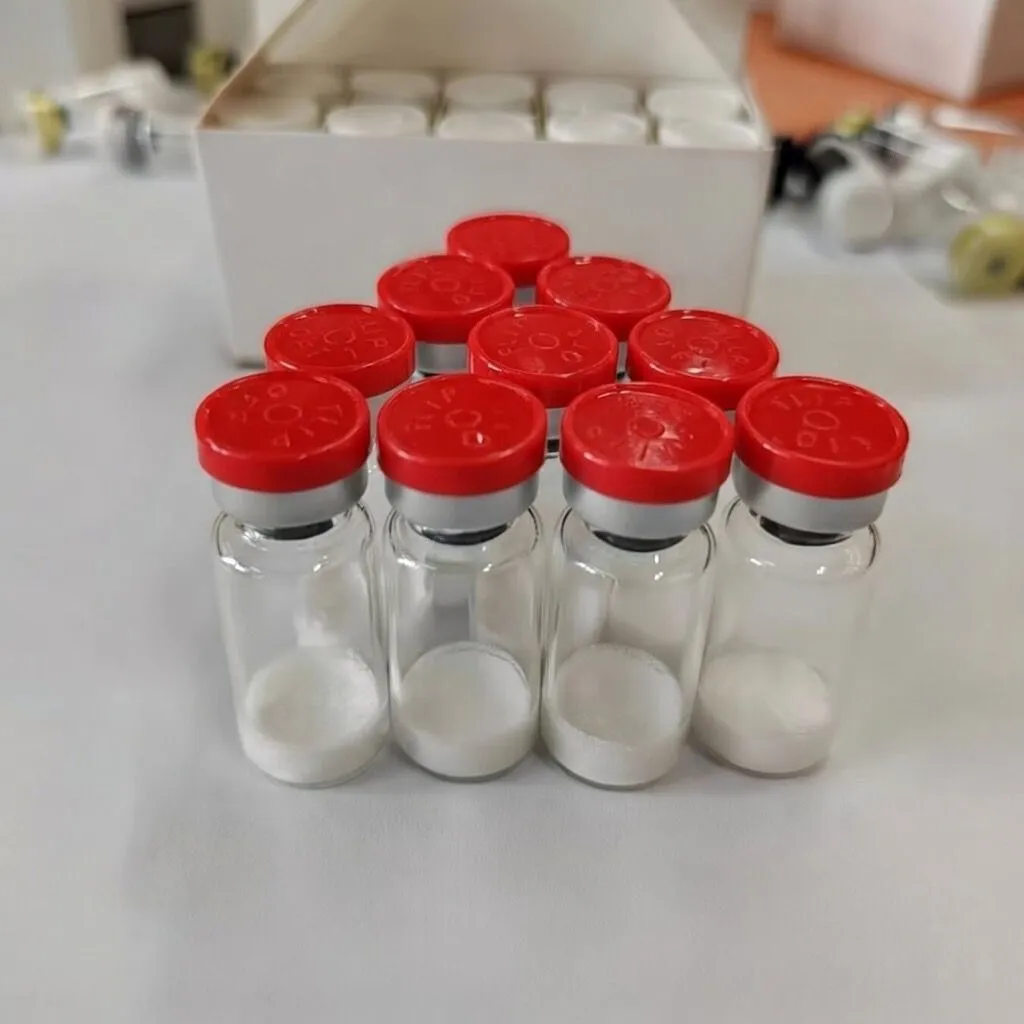
Delivered as lyophilized white powder
-
Includes batch-specific Certificate of Analysis
-
Ships from our China facility to your USA door in 5–7 days
-
Backed by our 100% purity guarantee
WHAT IS KPV?
KPV (Lys-Pro-Val) is a short-chain tripeptide consisting of three amino acids in precise sequence: Lysine (K) – Proline (P) – Valine (V) . It is identical to the α-MSH fragment spanning residues 11–13, which is why it’s sometimes referred to as α-MSH (11–13) . Order KPV For Sale In USA
Molecular Identity
| Property | Specification |
|---|---|
| CAS Number | 53783-30-1, 1415456-99-3, 69558-55-0 (multiple registrations) |
| Molecular Formula | C₁₆H₃₀N₄O₄ |
| Molecular Weight | ~342.43 g/mol |
| Amino Acid Sequence | H₂N-Lys-Pro-Val-COOH |
| Synonyms | Lys-Pro-Val, LPV Tripeptide, α-MSH (11–13) |
| Appearance | White to off-white lyophilized powder |
| Purity | ≥99% (HPLC verified) |
| Solubility | Soluble in water and aqueous buffers |
Amino Acid Breakdown
Each amino acid in the KPV sequence contributes unique chemical properties :
Lysine (K): A basic amino acid with an ε-amino side chain that introduces positive charge interactions, facilitating cellular uptake and receptor binding.
Proline (P): A cyclic imino acid whose pyrrolidine ring restricts backbone flexibility, influencing peptide chain conformation and metabolic stability.
Valine (V): A nonpolar, branched-chain amino acid that contributes hydrophobic interactions essential for receptor binding and membrane interactions.
Together, these residues form a short tripeptide with free terminal groups (NH₂ at the N-terminus and COOH at the C-terminus), making it structurally simple yet chemically distinct .
MECHANISM OF ACTION: HOW KPV WORKS
Dual Pathways to Inflammation Control
KPV’s anti-inflammatory effects operate through two complementary mechanisms:
1. PepT1-Mediated Cellular Transport
KPV is a substrate for the peptide transporter PepT1 (SLC15A1), which is normally expressed in the small intestine but becomes induced in the colon during inflammatory conditions like inflammatory bowel disease . This transporter actively moves KPV into both intestinal epithelial cells and immune cells, allowing the peptide to reach intracellular targets .
Research published in Gastroenterology demonstrated that nanomolar concentrations of KPV inhibit the activation of NF-κB and MAP kinase inflammatory signaling pathways, and reduce pro-inflammatory cytokine secretion—and this effect requires PepT1 expression .
2. NF-κB Pathway Inhibition
Once inside cells, KPV directly interferes with the NF-κB signaling cascade. Studies in human bronchial epithelial cells revealed that KPV’s anti-inflammatory effect is associated with :
-
Nuclear import of the peptide
-
IκBα stabilization (preventing its degradation)
-
Suppressed nuclear translocation of p65RelA (a key NF-κB subunit)
Competition assays revealed an interaction between KPV and the importin-α3 binding site on p65RelA, potentially involving blockade of the importin-α armadillo domain 7 and 8 . This directly prevents the inflammatory transcription factor from reaching the nucleus and activating pro-inflammatory genes. Order KPV For Sale In USA
Melanocortin Receptor Modulation
As an α-MSH derivative, KPV also interacts with melanocortin receptors, particularly MC1R and MC3R, throughout immune and inflammatory pathways . This receptor-mediated activity contributes to :
-
Modulation of immune cell activation
-
Suppression of pro-inflammatory mediator production (TNF-α, IL-1β, IL-6)
-
Influence on macrophage polarization toward anti-inflammatory M2 phenotypes
-
Reduction of neutrophil activation and tissue infiltration
CLINICAL EVIDENCE: WHAT THE RESEARCH SHOWS
Gastrointestinal Inflammation
The most extensively studied application for KPV is inflammatory bowel disease (IBD). A landmark study published in Gastroenterology investigated KPV’s effects in two mouse models of colitis (DSS- and TNBS-induced). Order KPV For Sale In USA
Key findings:
-
Oral administration of KPV reduced the incidence and severity of colitis
-
Decreased pro-inflammatory cytokine expression in colonic tissues
-
Effects were dependent on PepT1-mediated uptake into cells
-
KPV acted through inhibition of NF-κB and MAP kinase pathways
A later study using a PepT1-mediated nano-system for targeted delivery of KPV confirmed its anti-inflammatory properties and high affinity for the transporter, enabling targeted therapy to colonic epithelial cells and macrophages via overexpression of PepT1 during inflammation. Order KPV For Sale In USA
Pulmonary Inflammation
Research published in the International Journal of Physiology, Pathophysiology and Pharmacology investigated KPV’s effects on airway inflammation .
Key findings in human bronchial epithelial cells:
-
KPV evoked dose-dependent inhibition of NF-κB signaling
-
Reduced matrix metalloproteinase-9 activity
-
Decreased secretion of chemokines IL-8 and eotaxin
-
Effect was associated with nuclear import and IκBα stabilization
This research suggests KPV may have applications in inflammatory lung conditions such as asthma, where chemokine signaling from airway epithelium regulates macrophage recruitment .
Wound Healing and Tissue Repair
KPV has demonstrated significant effects on tissue regeneration and healing acceleration. Research shows it can :
-
Enhance collagen synthesis and angiogenesis
-
Promote optimal wound closure through growth factor modulation
-
Reduce scar formation
-
Accelerate healing in various tissue damage models
The peptide’s anti-inflammatory properties contribute to improved healing outcomes by reducing excessive inflammation that can impair tissue repair .
Antimicrobial Activity
KPV exhibits antimicrobial effects against key pathogens, including :
-
Staphylococcus aureus
-
Candida albicans
This dual anti-inflammatory and antimicrobial action makes it particularly valuable for research into infected wounds and inflammatory conditions complicated by microbial involvement.
Skin Health and Dermatological Applications
In dermatological research, KPV has shown benefits for :
-
Reducing inflammatory skin responses
-
Enhancing skin barrier function
-
Calming sensitive skin and reducing redness
-
Supporting repair of inflammatory dermatoses like eczema and psoriasis
A study on skin inflammation models showed that KPV improved skin barrier function by 33% and reduced dermatological inflammatory responses in various skin condition models .
PRODUCT SPECIFICATIONS
| Parameter | Pinecrest Standard | Industry Standard |
|---|---|---|
| Purity (HPLC) | ≥99.0% | ≥98.0% |
| Appearance | White to off-white lyophilized powder | White to off-white powder |
| Molecular Weight | Confirmed by MS | ~342.43 g/mol |
| CAS Number | 1415456-99-3 | Multiple variants |
| Peptide Content | ≥90.0% | ≥80.0% |
| Water Content (KF) | ≤5.0% | ≤8.0% |
| Bacterial Endotoxins | ≤0.05 EU/mg | ≤10 EU/mg |
| Salt System | TFA / acetate options available | TFA standard |
| Solubility | Soluble in sterile water | Soluble in aqueous buffers |
| Storage | -20°C to -70°C (lyophilized) | -20°C |
| Shelf Life | 24 months | 24 months |
Our advantage: We exceed industry standards on purity and endotoxin levels, ensuring your KPV research yields consistent, reliable results. Third-party testing confirms identity, purity, sterility, and endotoxicity .
ANALYTICAL TESTING: PROVEN BY DATA
Every batch of our KPV undergoes rigorous quality control testing :
1. Identity Test
-
Confirms the product contains the correct ingredient as labeled
-
Verifies authenticity against established reference standards
-
Performed by third-party accredited laboratories
2. Reverse-Phase High-Performance Liquid Chromatography (RP-HPLC)
-
Quantifies purity with precision
-
Visual chromatogram provided
-
Identifies and quantifies individual impurities
-
Our standard: ≥99.0% (verified by US FDA registered & audited third-party labs)
3. Mass Spectrometry (MS)
-
Confirms exact molecular weight (~342.43 g/mol)
-
Verifies sequence integrity
-
Ensures correct structural identity
-
Dual testing ensures identity and consistency batch to batch
4. Sterility Testing
-
Ensures product is completely free from bacteria, fungi, and other microorganisms
-
Performed by ISO/IEC accredited facilities
5. Endotoxicity Testing
-
Ensures ≤0.05 EU/mg
-
Detects and quantifies lipopolysaccharides (LPS)
-
Verified by validated methods using US FDA registered labs
STABILITY AND HANDLING
Storage Requirements
| Form | Storage Condition | Stability |
|---|---|---|
| Lyophilized powder (unopened) | -20°C to -70°C | 24 months |
| Lyophilized powder (unopened) | 2–8°C (refrigerated) | 3–4 weeks |
| Reconstituted solution | 2–8°C (refrigerated) | Up to 28 days |
| Reconstituted solution (aliquoted) | -20°C | For future use |
Critical handling notes :
-
Protect from light and moisture
-
Before reconstitution: Store at or below 0°F (–18°C)
-
After reconstitution: Store at 36–46°F (2–8°C)
-
Avoid repeated freeze-thaw cycles
-
For long-term storage, keep lyophilized and frozen
Reconstitution Guidelines
For research purposes, KPV is soluble in sterile water, bacteriostatic water, or aqueous buffers at concentrations up to 5 mg/ml .
Recommended protocol:
-
Centrifuge vial briefly to ensure powder is at bottom
-
Reconstitute with sterile water or bacteriostatic water
-
Gently swirl—do not vortex (peptides are fragile)
-
For extended studies, prepare sterile aliquots to avoid repeated freeze-thaw cycles
TYPICAL RESEARCH APPLICATIONS
Note: The following are based on published research protocols and are provided for informational purposes only. All products are for research use only—not for human consumption.
Gastrointestinal Research
-
Inflammatory bowel disease (IBD) models: DSS- and TNBS-induced colitis
-
Intestinal inflammation: Studying PepT1-mediated uptake
-
Mucosal healing: Barrier repair mechanisms
Research protocols: Oral administration in drinking water was effective in mouse models of colitis .
Pulmonary Research
-
Asthma models: Chemokine signaling from airway epithelium
-
Airway inflammation: NF-κB inhibition in bronchial epithelial cells
-
Viral-induced inflammation: RSV-evoked inflammatory responses
Research protocols: In vitro studies used concentrations in the nanomolar range .
Dermatological Research
-
Inflammatory skin conditions: Eczema, psoriasis models
-
Wound healing: Tissue regeneration studies
-
Skin barrier function: Repair and enhancement research
Wound Healing Research
-
Diabetic wound models: Impaired healing studies
-
Burn injury: Inflammation and repair mechanisms
-
Surgical recovery: Post-operative tissue regeneration
Antimicrobial Research
-
Bacterial infection: Staphylococcus aureus models
-
Fungal infection: Candida albicans studies
-
Biofilm disruption: Combined anti-inflammatory/antimicrobial action
RESEARCH SUMMARY TABLE
| Study Focus | Model | Key Finding | Source |
|---|---|---|---|
| IBD | DSS/TNBS colitis in mice | Oral KPV reduces inflammation via PepT1 | |
| Airway inflammation | Human bronchial epithelial cells | KPV inhibits NF-κB via nuclear import block | |
| Targeted delivery | PepT1-mediated nano-system | KPV targets inflamed colon via transporter | |
| Anti-inflammatory | In vitro immune cells | Nanomolar KPV inhibits cytokine production | |
| Antimicrobial | Pathogen assays | Effective against S. aureus and C. albicans |
SAFETY AND REGULATORY STATUS
Current Regulatory Status
KPV is a research peptide intended for laboratory use only. It is not FDA-approved for any therapeutic indication and is not intended for human consumption .
Safety Profile from Research Studies
Based on available preclinical data :
-
Preclinical safety: Studies show minimal side effects with no obvious toxicity in animal models
-
Clinical research: Most studies focus on animal models and in vitro experiments; human clinical application requires further verification
-
Tolerability: Well-tolerated in research models at tested doses
Reported Considerations
Current research suggests :
-
Individual differences in absorption and response may exist
-
Synthesis process affects activity; purity and sequence accuracy are critical
-
Combination therapy should be selected based on specific research goals
Important Considerations for Researchers
Future research directions include :
-
Optimizing drug delivery methods (e.g., nano-carrier delivery)
-
Expanding scope of indications (e.g., neuroinflammation-related diseases)
-
Clinical translation studies
Research Use Only
Our KPV is sold for laboratory research purposes only. It is:
-
Not for human consumption
-
Not for diagnostic or therapeutic use
-
Not FDA-approved for any indication
-
Intended for in vitro studies and analytical applications
-
For researchers aged 21+ only
ORDERING INFORMATION
| Size | Catalog | Lead Time |
|---|---|---|
| 5 mg | Inquire | In stock |
| 10 mg | Inquire | In stock |
| 25 mg | Inquire | In stock |
| 50 mg | Inquire | In stock |
| 100 mg | Inquire | In stock |
| 1,000 mg (1g) | Inquire | In stock |
| Bulk (10g+) | Inquire | Negotiated |
Each order includes:
-
Batch-specific Certificate of Analysis
-
HPLC chromatogram (upon request)
-
Mass spectrometry confirmation (upon request)
-
Lot number for full traceability
-
Vacuum-sealed, desiccated packaging
-
Temperature-stable international shipping
Shipping to USA: 5–7 business days (typical)
KPV FREQUENTLY ASKED QUESTIONS
Q: What does KPV stand for?
A: KPV is an abbreviation for the three amino acids in the sequence: K (Lysine), P (Proline), and V (Valine) .
Q: Is KPV the same as α-MSH?
A: Chemically, KPV is identical to the α-MSH fragment spanning residues 11–13, sometimes called α-MSH (11–13) . It retains many of the anti-inflammatory properties of the full hormone but in a shorter, more stable form .
Q: What purity should I expect for research-grade KPV?
A: Research-grade KPV should be ≥98% purity by HPLC analysis . Pinecrest’s KPV is ≥99% with full documentation, including third-party testing for identity, purity, sterility, and endotoxicity .
Q: What is the molecular weight of KPV?
A: The molecular weight is approximately 342.43 g/mol (C₁₆H₃₀N₄O₄) .
Q: What is the CAS number for KPV?
A: KPV is registered under multiple CAS numbers depending on the specific salt form and registration, including 53783-30-1 , 1415456-99-3 , and 69558-55-0 .
Q: How does KPV enter cells?
A: KPV is transported into cells via the peptide transporter PepT1 (SLC15A1), which is expressed in intestinal epithelial cells and immune cells, particularly during inflammation .
Q: How should KPV be stored?
A: Lyophilized KPV should be stored at -20°C to -70°C for long-term stability . Once reconstituted, store at 2-8°C and use within 28 days. Avoid repeated freeze-thaw cycles .
Q: What are the main research applications for KPV?
A: KPV is primarily studied for gastrointestinal inflammation (IBD), pulmonary inflammation (asthma), wound healing, dermatological conditions, and antimicrobial research .
Q: Is KPV FDA-approved?
A: No. KPV is a research peptide for laboratory use only. It is not FDA-approved for any therapeutic indication .
Q: Can KPV be custom-synthesized?
A: Yes. For qualified research institutions, custom synthesis options are available for modified sequences, specialized salts, or scaled-up production .
COMPARISON: KPV VS. OTHER ANTI-INFLAMMATORY PEPTIDES
| Feature | KPV | GHK-Cu | BPC-157 |
|---|---|---|---|
| Origin | α-MSH fragment (11–13) | Human plasma | Gastric juice protein |
| Primary mechanism | NF-κB inhibition via PepT1 uptake | Copper signaling | Angiogenesis |
| Key applications | IBD, inflammation, skin, lung | Skin, wound healing | GI tract, muscle, tendon |
| Molecular weight | ~342 Da | ~401 Da | ~1419 Da |
| Cellular uptake | PepT1-mediated | Direct | Unknown |
| Antimicrobial activity | Yes (S. aureus, C. albicans) | No | Limited |
WHAT RESEARCHERS SAY
Dr. Alan Richards – Richards Research Institute, Boston
*”Our lab studies inflammatory bowel disease models, and KPV’s unique PepT1-mediated uptake makes it a valuable tool for investigating targeted intestinal anti-inflammatory mechanisms. Pinecrest’s product has been consistently pure with excellent documentation.”*
Kevin O’Brien – O’Brien Distributing, Chicago
“KPV has gained significant interest from researchers studying both gastrointestinal and pulmonary inflammation. The dual mechanism—receptor-mediated and intracellular—makes it unique among anti-inflammatory peptides. Pinecrest’s quality means I can supply it with confidence.”
Dr. Susan Walters – Walters Clinical Research, Cleveland
“The research on KPV’s NF-κB inhibition mechanism is compelling. Having access to well-documented, high-purity peptide with third-party testing is essential for reproducible results. Pinecrest delivers that.”
READY TO ORDER KPV FOR SALE IN USA? Order KPV For Sale In USA
Questions about KPV for your research? Email us.
sales@pinecrestpeptides.com
Response time: Within 4 hours
ORDER KPV FOR SALE IN USA TODAY
The bioactive α-MSH tripeptide with dual anti-inflammatory mechanisms. 99% pure. Manufacturer-direct. Ready to ship to USA labs.
Be the first to review “KPV”
Related products
Research Peptides
Research Peptides
Research Peptides
Research Peptides for sale
Reviews
There are no reviews yet.